

Wedding photography styles – what’s it all about?
In the past, whenever a couple inquired about my services, I’d ask if they had a preference for photographic style. Nine times out of ten, they’d say they didn’t know anything about wedding photography styles.
And, on a good day, they say …they didn’t know anything about wedding photography styles but they liked my photos.
I don’t bother asking the question anymore but if you search for wedding photography styles on Google, you’ll find a number of different sources come up and amongst those, you’ll find a variety of interpretations.
I don’t think any of those interpretations is completely accurate so I’ve decided to explain wedding photography styles the way I see them in this post.
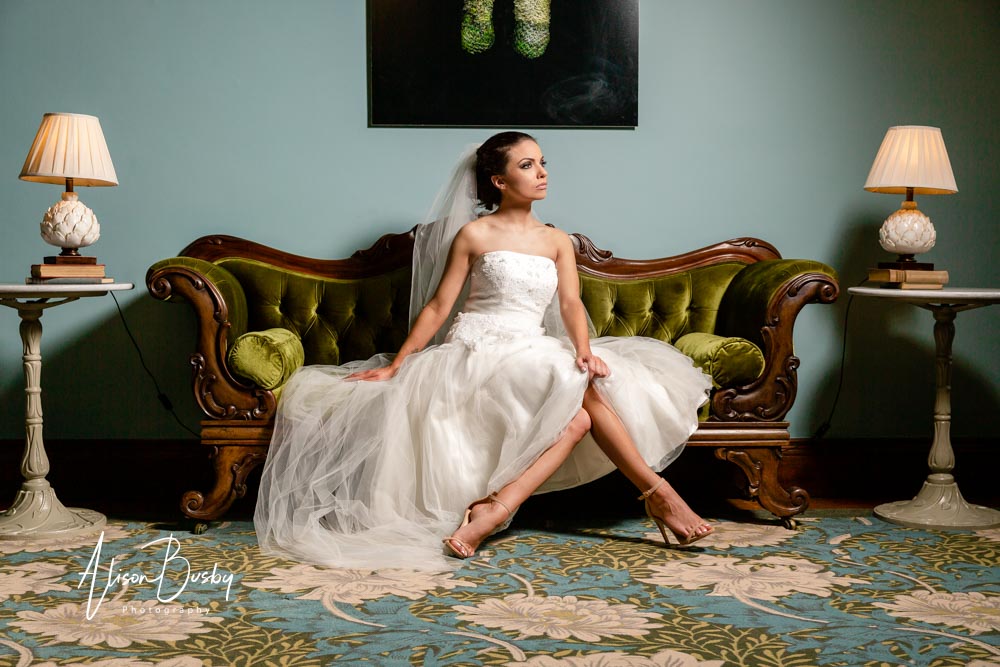
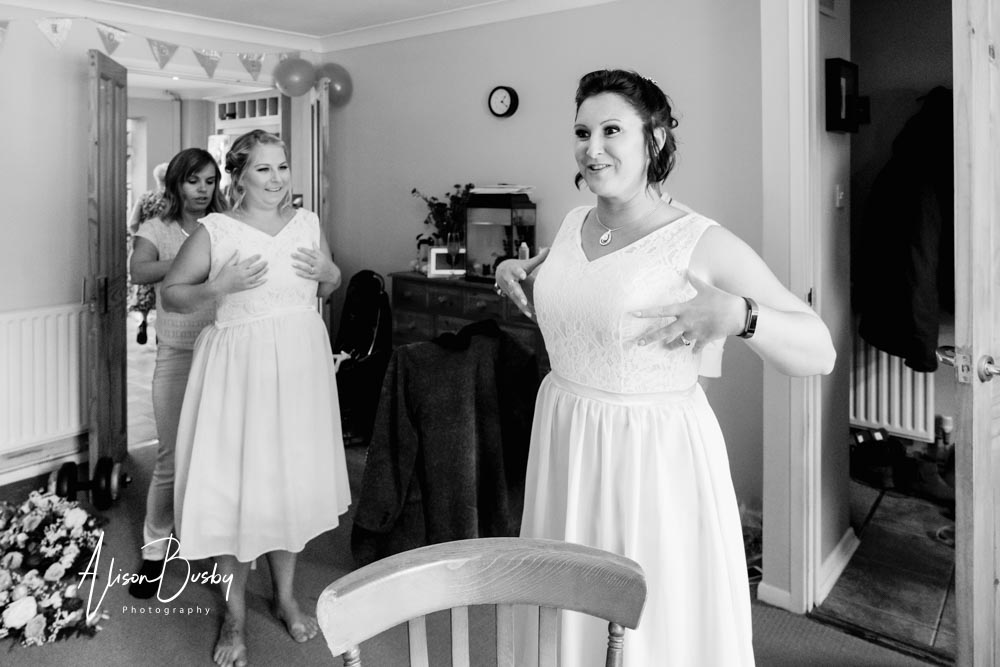
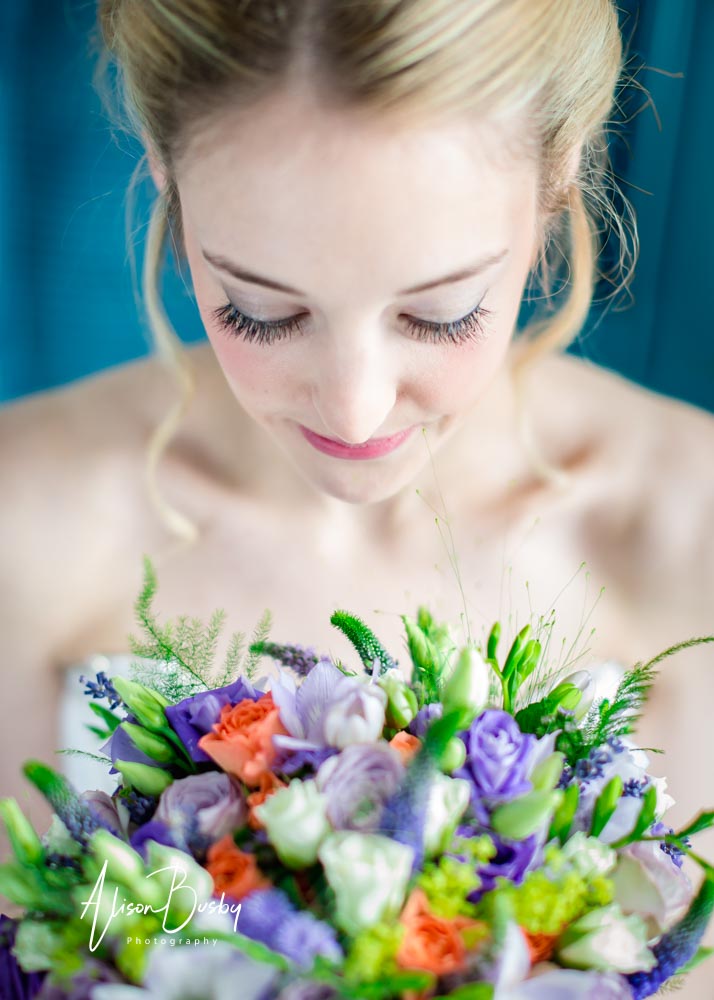
At a basic level, there are only two wedding photography styles – Posed or Unposed photography
In my view, there are only two wedding photography styles – posed photography or unposed photography. Everything else, that people like to put under the heading of wedding photography styles, is one of those.
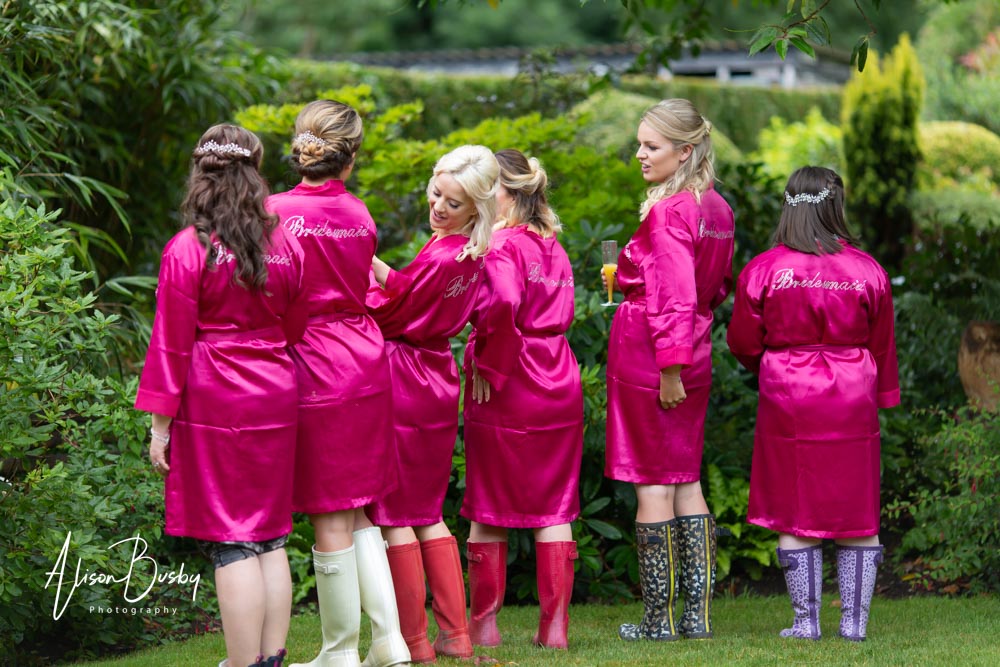
Even the two wedding photography styles I’ve mentioned don’t have that much distinction in practice. What you’re most likely to get delivered as a wedding album will probably be one of these:
100% unposed
OR
90% unposed + 10% posed
What I mean to say here is that in the twenty-first century, no one has just posed wedding photography – at least no one I’ve met. Gone are the days when the only photography that happened at a wedding was immediately after the ceremony and it was all posed.
Today, the bulk of everyone’s wedding photography is unposed, regardless of how the photographer describes their work.
Editorial and Documentary are the most common terms used for posed and unposed photography
If you’ve read a few blogs about wedding photography styles, you’ve probably come across terms like documentary, reportage, photojournalist, candid, fly-on-the-wall, and natural. These are all terms used to describe unposed photography and they’re all used interchangeably but the term ‘documentary’ is probably the one you’ll see most.
When it comes to posed photography, some sites suggest there are different genres of posed photography. The most common genres I’ve seen suggested are ‘traditional’ – by which they mean seventies-style posing outside a venue – and ‘editorial’ – which is fashion-cum-magazine style posing. Personally, I think there’s only one genre of posed photography.
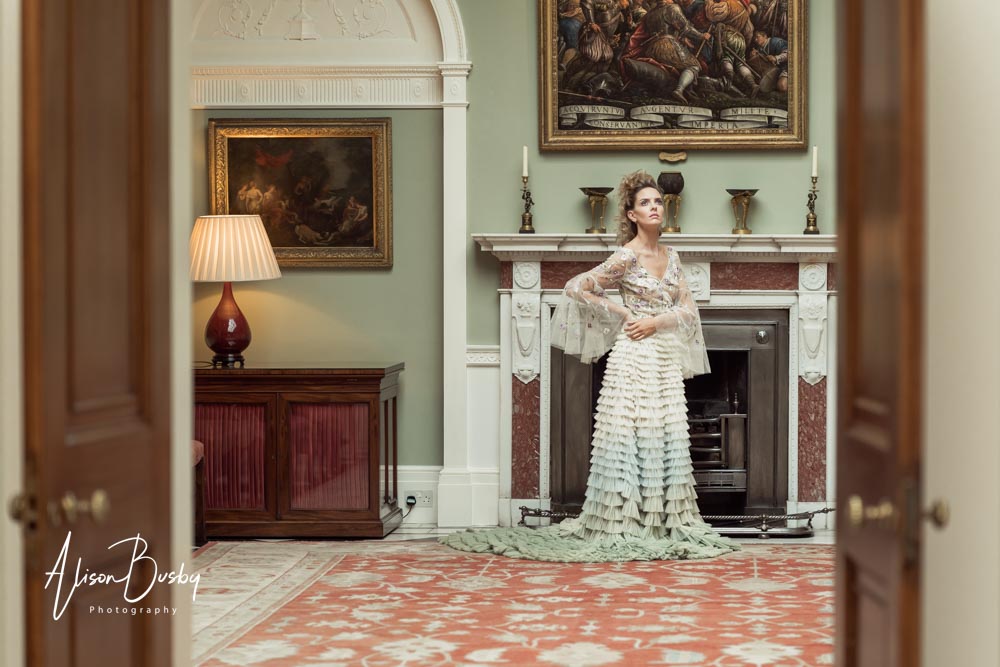
Others think differently, and you’ll also see the terms ‘contemporary’ and ‘fine art’ used to describe posed wedding photography. I don’t think there’s any difference between contemporary and editorial and the distinction between fine art and editorial is not that easy to discern either; in my view, it comes down to lighting.
Photography described as fine art is generally photographed at wide apertures, slightly overexposed and lit primarily with natural light.
As far as ‘traditional’ photography is concerned, it’s probably true to say that most photographers that do group photos will take a fairly traditional approach to them – in as much as they’ll arrange people quite simply in a line.
But that’s the only ‘traditional’ element of the photography you’ll see today so it’s a nonsense to say it’s a photography style.
I do know a few photographers that take editorial style photos of groups as well but that tends to be limited to the bridal party as they’re quite time-consuming to arrange (and light).
Overall, I’d say that the main difference you’re likely to see in posed photography will come down to the directing and photographic skills of the photographer rather than a genre of posing.
Some photographers will confuse you by using their lighting or exposure technique to describe their wedding photography style
There are no hard and fast rules for describing a wedding photography business. And that can make it confusing for someone not in the business. One of the ways that a photographer can unintentionally confuse people is by describing their lighting or exposure technique as their photography style. For example, natural light wedding photography.
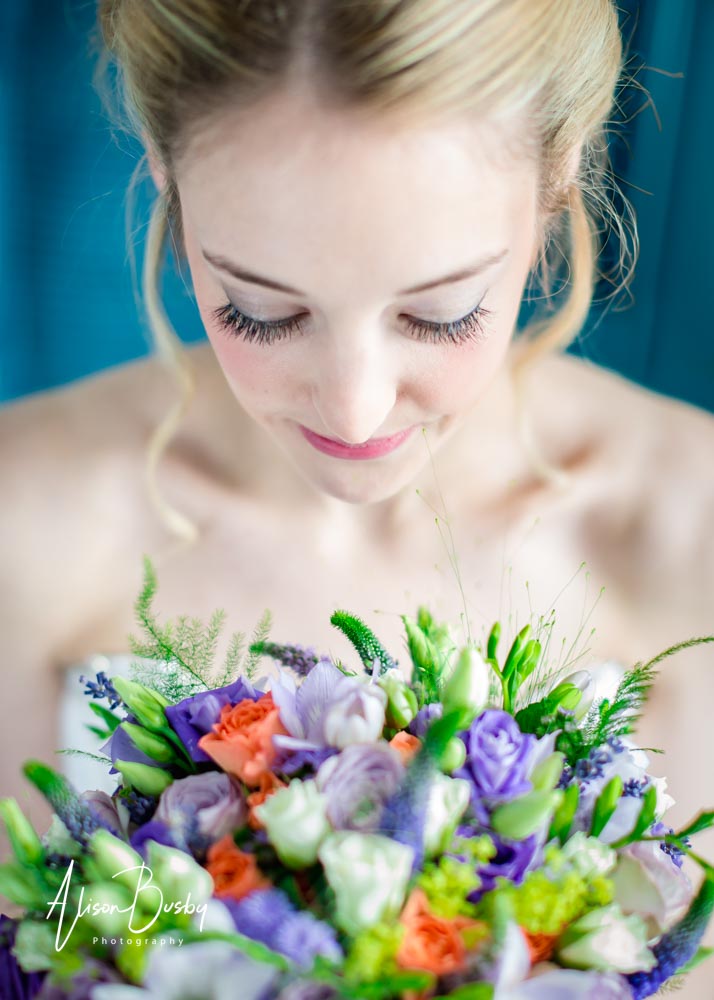
A natural light photographer is someone that doesn’t use flash or continuous light to create a photographic exposure. In many circumstances, that means they will have to over or under-expose parts of a scene in order to achieve an acceptable exposure of their subject.
In recent years, this over or under-exposure of images has also given rise to terms like light and airy, and dark and moody being used to describe a photographer’s style but in practice they’re really describing a lighting/exposure technique.
Whilst it’s useful to have this extra information about the mood of a photographer’s style, it doesn’t tell you whether your photography will be posed or unposed (editorial or documentary).
And over the last few years, the one thing that has become clear to me about buyers of wedding photography is that how much they have to pose for their wedding photography is likely to be the deal breaker.
Both posed and unposed wedding photography styles can be shot using natural light; equally both could be shot using mixed lighting or flash, although the latter is less common with unposed photography.
Processing techniques are not wedding photography styles
Much like lighting techniques, you’ll also see processing techniques described as wedding photography styles. In fact, light and airy, and dark and moody are the names of pre-sets for Lightroom processing. Of course you don’t need to use a pre-set to create a light and airy or dark and moody looking photo, you just need to control your in-camera exposure.
But probably the one that seems most ridiculous to me is when black and white processing is described as a wedding photography style.
With a digital camera, even if you shoot in black and white, the RAW files that come off the camera will be colour. You have to process them to make them black and white. Unless you take the risky approach of shooting only jpg.
All wedding photography styles can be processed in black and white. And often are.

You will tend to see black and white used more in unposed photography because it gives it a more gritty, journalistic quality. In addition, unposed wedding photographers don’t often use flash and black and white processing is more forgiving than colour when it comes to things like over-exposed skies.
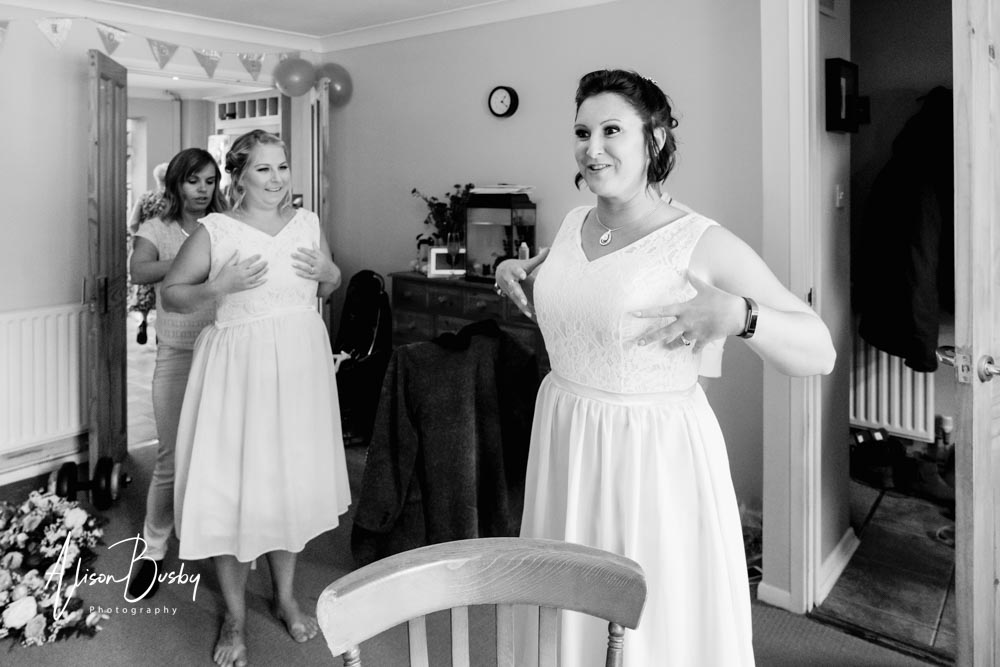
Couples often ask me if I do any black or white photos and I usually say, if you’d like some in black and white, you can make a selection and I’ll process them in both black and white and colour.
No one’s ever asked me for an entire album in black and white although I’d do it if they did. That said, I’m not sure I’d recommend it since you might regret it in five years’ time; there’s no converting black and white to colour from jpgs.
If you’d like to discuss my wedding photography style, why not get in contact today, either using the form below or by email to [email protected]
My name is Alison Busby and I’m a wedding photographer based in Buckinghamshire although I also cover Oxfordshire, Berkshire and other nearby counties. You find examples of my work in Bucks by visiting my Buckinghamshire wedding photographer page.
You can find details of what’s including in my wedding packages by visiting my wedding photography pricing page.