
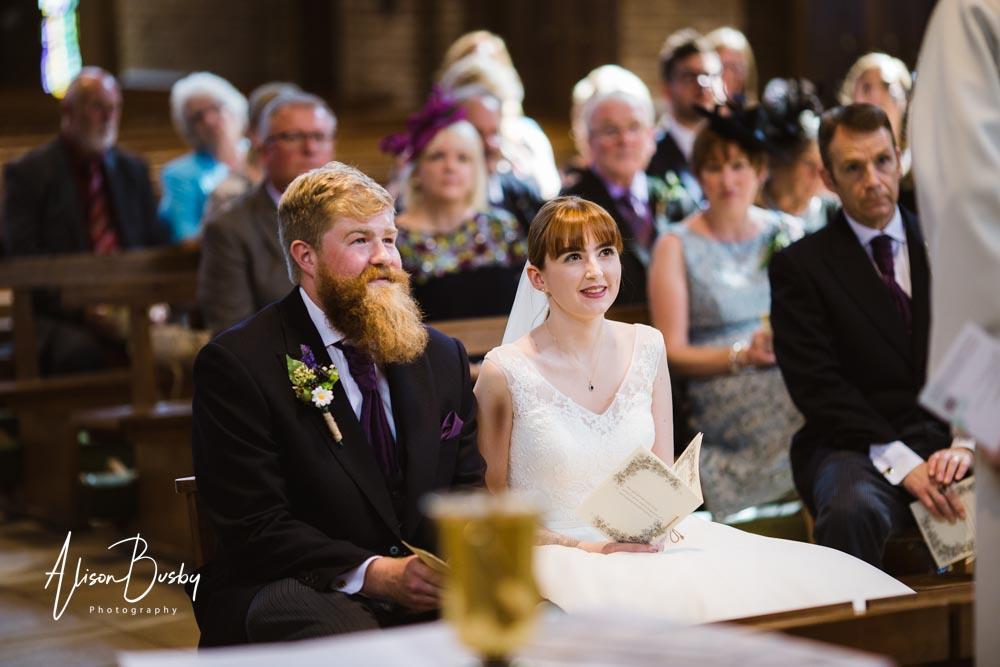
Don’t assume your wedding can be photographed | Unplugged ceremony
Did you know that some wedding venues don’t allow photography during the wedding ceremony?
It does seem a bit old fashioned and somewhat unfair, particularly when you consider that most wedding photographers are consummate professionals that show complete respect for the people and places they’re photographing.
Unfortunately, because of the few that don’t (or didn’t, in the past), some wedding venues have either banned photography completely and insist on an unplugged ceremony or else severely restricted the access and movement of the photographer once the ceremony has started.
If you were hoping to see your wedding vows immortalised in print, it makes sense to find out (in advance) exactly what your photographer will be allowed to do during the wedding ceremony.
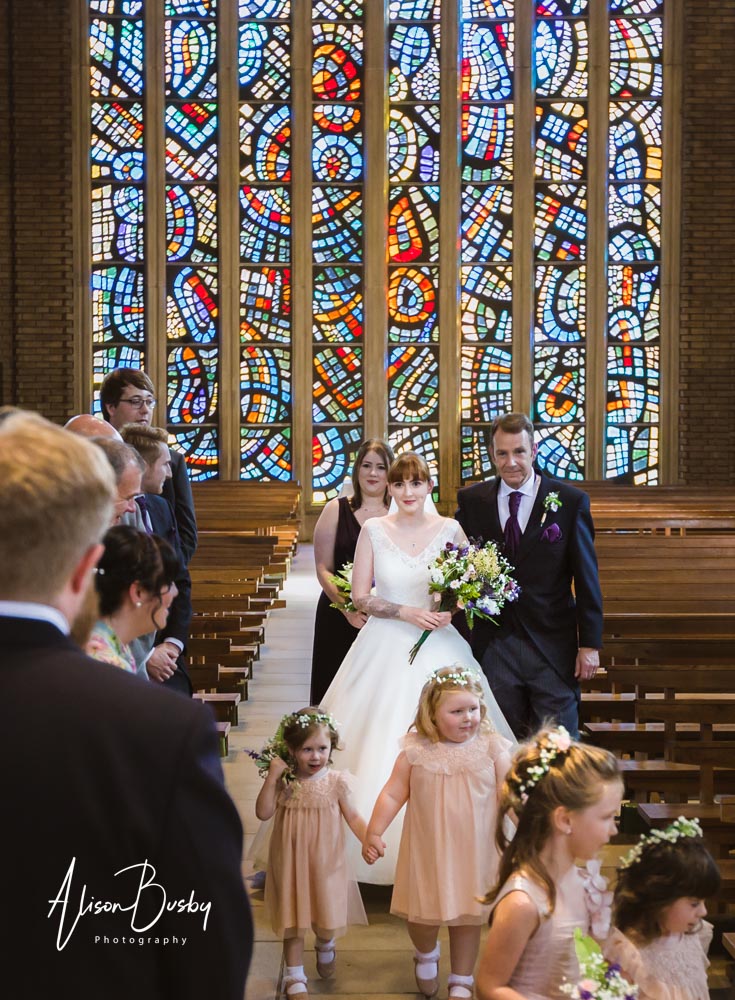

5 key questions for your celebrant to avoid an unplugged ceremony
Here are the key photography questions to ask the person performing your ceremony.
1. Are there any parts of the ceremony that can’t be photographed?
Before May 2021, signing the register was the one part of the wedding ceremony that you were rarely allowed to photograph in the UK. Since May 2021, the wedding register has been electronic and whilst, as a couple, you still have to sign a piece of paper, celebrants don’t tend to be precious about photographing it. In most situations, we’re still mocking up a shot with the old style registry book and I’ve yet to experience a celebrant that hasn’t allowed me to take this shot.
What I have experienced is a celebrant that wouldn’t allow photography of any description during the ceremony. And whilst, I’m happy to say that a completely unplugged ceremony is fairly rare, I do see it coming up multiple times a year with fellow photographers in wedding forums. It’s probably also relevant to say at this point, that whilst many of these incidents occur in churches and other religious buildings, my personal experience was at a hotel with a local authority registrar.
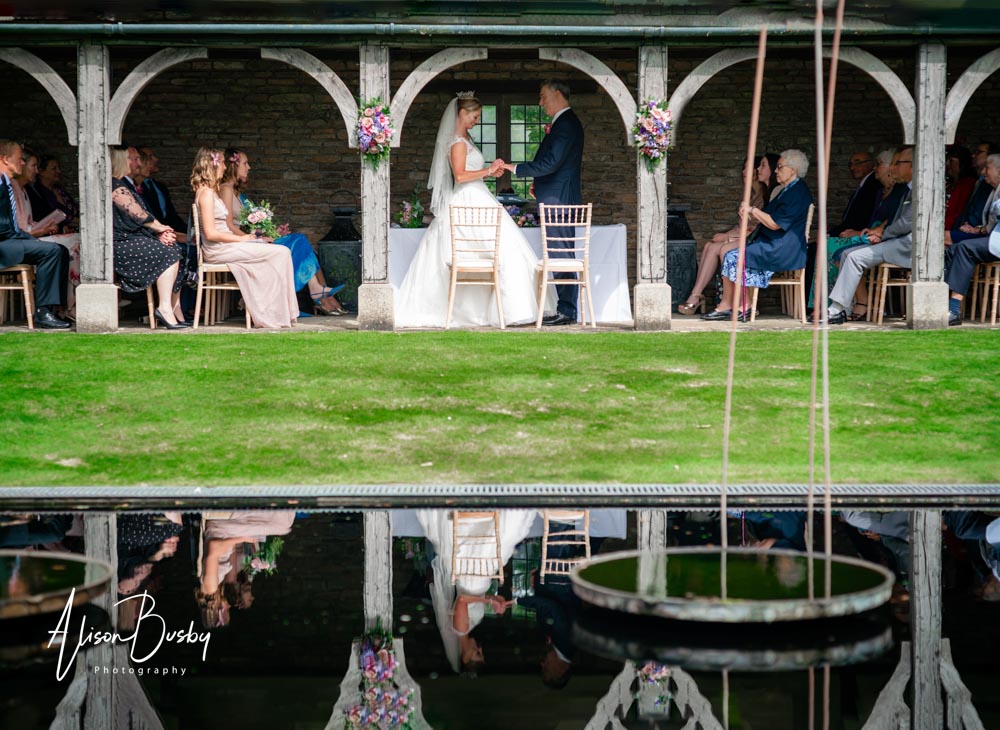
A more common experience for wedding photographers is being told we can only take a small number of photographs during the ceremony – for some reason, 12 seems to be a popular choice for celebrants. Sure, if your wedding photographer has a camera with a silent shutter, they can take photos without the celebrant knowing but I’m not sure they can move without the celebrant noticing so the choice of photos will be limited.
In any event, it always makes sense to find out in advance if your celebrant is going to impose any restrictions, such as an unplugged ceremony. That way, you know what to expect and can decide what’s important. And let your photographer know too.
2. It’s not an unplugged ceremony but are there any restrictions on shutter noise?
Talking of shutter noise, I’ve worked at several weddings now, where I’ve been told I have to shoot in ‘silent shutter’ mode. Modern mirrorless cameras allow you to use a ‘silent shutter’ but not without risks. The key risk in using silent shutter mode is something called ‘banding’, whereby the high-frequency flickering of artificial lighting inside the venue causes a light and dark banding effect over each photograph. Some say, this can be resolved by shooting at 1/100 second but if your subject is moving, 1/100 second is too slow to prevent camera blur.

I’m a Sony A9 photographer and Sony claims that banding doesn’t happen in silent mode on the A9. I haven’t experienced it myself but I know other A9 users that say they have had banding so I recognise it’s a risk.
Just so you know, fixing banding in Photoshop would be a very slow process ergo, impossible to do free of charge.
If your wedding photographer is using a DSLR camera – which some still do – I can tell you that ‘silent’ isn’t silent at all – not even on the latest versions – please do ask this question. You don’t want your celebrant to stop the ceremony. And yes, it does happen.
3. Are there any no-go areas for the photographer?
Whether it’s a religious or civil ceremony, most of the time you’ll find the celebrant is fairly reasonable about photography and won’t insist on an unplugged ceremony. But there are always exceptions – usually in the form of a highlighted floor plan – so do ask the question.
I’ve shot at one local wedding venue on multiple occasions where photographers are restricted from being within six metres of the bride and groom throughout the wedding ceremony; this particular venue is a church and the architecture of the building means that at six metres it’s virtually impossible to capture some of the really intimate moments.

4. Will the photographer be allowed to move during the ceremony?
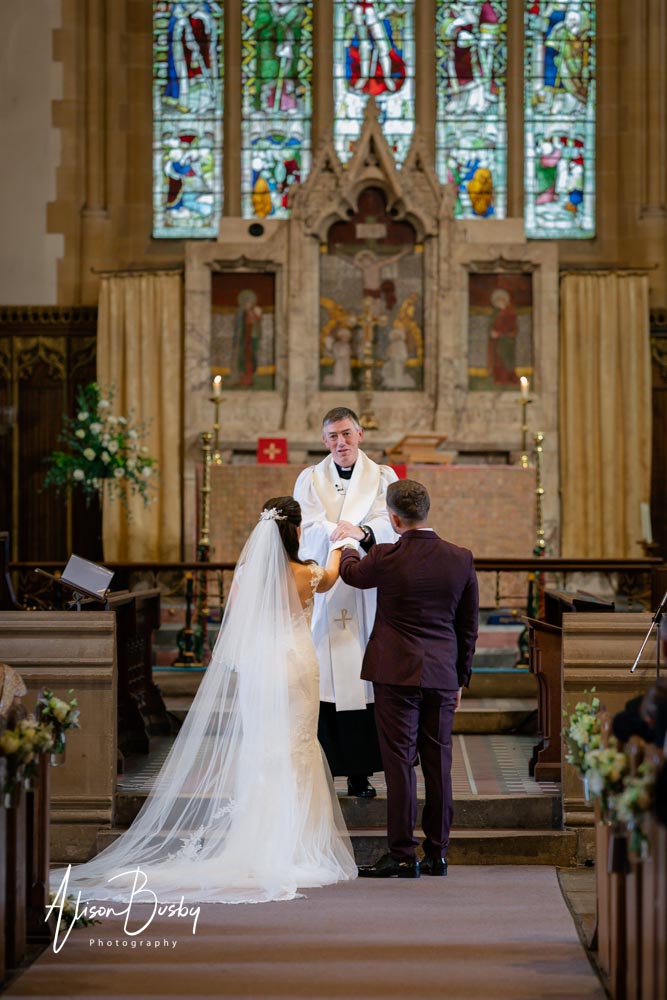
During the ring ceremony, there’s a lot of emotion on both sides and it’s great to capture it all – but it’s not going to happen if the photographer is not allowed to move around during the ceremony. Churches tend to be particularly hot on restricting the movement of photographers. And I do understand as it tends to distract the congregation, even if it doesn’t distract the couple getting married. Check for your photographer; you’ll be doing both of you a favour.
5. Can the photographer use flash or continuous lighting during the ceremony?
Every modern professional camera has the ability to handle low light fairly well but not without some drawbacks; if the ISO is high, photos will often look dirty and grainy, and if the aperture is too wide, only one of you will be in focus. There are apps we can use to help with the effects of a high ISO but the apps for dealing with focus problems are not that great in my experience – no matter what the advertising says.
I’m not a big fan of using flash during a wedding ceremony and at some venues it wouldn’t be viable to use continuous lighting either but it would be good to have it as an option; your photographer can’t plan for it unless you ask.

Of course ultimately, your wedding day is not about photography and you might actually prefer to have an unplugged wedding but if that’s not the case, asking a few questions about the venue and your celebrant can help to avoid any nasty surprises.
If you’ve got any questions about your wedding photography or you’re thinking of having an unplugged ceremony and you’re interested in how that would fit in a package, feel free to get in touch using my contact page.
For details of wedding venues in Buckinghamshire, why not visit my Buckinghamshire wedding photographer page. If you’re researching venues in Oxfordshire, you may find my Oxford wedding photographer page helpful. Finally, you can find a few of my favourite Berkshire wedding venues by visiting my Berkshire wedding photographer page.
Follow me on Facebook, Instagram
DON’T ASSUME YOUR WEDDING CAN BE PHOTOGRAPHED | UNPLUGGED CEREMONY